A short visual guide to a culture-changing moment

Hip Hop History Videos

This collection brings together video about hip hop’s beginnings, starting with a public 115-second account of a 1973 Bronx party hosted by Kool Herc and his sister Cindy Campbell. It follows the breakbeat technique that helped shape a wider culture of rap, graffiti, fashion, and breakdance. This page currently lists one video, with topic tags to help you browse its historical themes. No fixed update schedule is published, so check back as the collection grows. Use the video as a concise starting point for discussion, or explore hip hop history storytelling for more ways to frame the subject.

The story behind the sound

A Bronx party, two turntables, and a new musical idea

Hip hop is a cultural movement as well as a musical genre. Its early history is closely connected to Bronx communities, block parties, DJs, MCs, dancers, and visual artists. This video focuses on one often-cited origin point: on August 11, 1973, DJ Kool Herc and Cindy Campbell hosted a party in the Bronx, where Herc extended instrumental breaks on two turntables. That approach helped make the break a central part of the emerging sound.

To put the moment in context, compare the musical technique with the wider history of hip hop culture and its creative communities. A short video can introduce the event, while a lesson or longer explainer can give students room to examine how different people and art forms contributed.

A useful historical starting point

The listing connects a specific date and place to a foundational DJ technique, making it suitable for an introductory discussion of hip hop’s early development.

People named

Kool Herc and Cindy Campbell

Historical setting

The Bronx, 1973

What Is a Hip Hop History Video? (Quick Definition)

A hip hop history video uses moving images, narration, or other visual storytelling to explain the people, places, events, and creative practices that shaped hip hop. It can cover music and DJ techniques alongside related forms such as MCing, graffiti, dance, and fashion. These videos can help educators, students, and curious viewers approach a broad cultural history through a focused story.

Tags

Show topic tags

Showing all 1 video.

Category Snapshot

A quick, data-based view of the collection as currently listed.

1

public video in this collection

115 sec

listed video duration

1973

year of the featured Bronx party

5

available topic tags

1 Hip Hop History Video

Watch the collection entry and review its context, format, and suggested use.

The Birth of Hip Hop in the Bronx

Type: Public history video

Location: The Bronx, New York City

Duration: 115 seconds

Description: This short video describes the August 11, 1973 party hosted by Kool Herc and his sister Cindy Campbell in the Bronx. It explains how Herc used two turntables to isolate and extend instrumental breaks, a technique that helped influence early hip hop music and culture.

Primary Use Case: Introduce students or general audiences to a commonly cited moment in hip hop’s early history, then use it to start a discussion about DJing and the culture’s other creative forms.

Tags: Hip hop Bronx Kool Herc Breakbeats Origins

Historical context

The listing names Kool Herc and Cindy Campbell as central figures in the event it covers. It does not identify an original rights holder or provide separate archival credits, so viewers should verify attribution and permissions before reusing the video outside its public viewing context.

Use it as a lesson opener

Ask viewers to listen for the instrumental break, then discuss why extending a brief passage could change how people danced and experienced a track. For a broader lesson plan, connect the clip with educational video storytelling.
Video use cases

Turn one historical moment into a richer story

The featured video works best as an opening, not the whole lesson. Build on its concise account with primary-source research, discussion of local context, and clearly attributed perspectives from the people and communities who shaped hip hop.

  • For educators: Use the 115-second clip to introduce a lesson, then invite students to trace how breakbeats connect to DJ practice and dance.
  • For creators: Develop a focused script around a person, place, or technique rather than trying to summarize an entire cultural movement in one short video.
  • For storytellers: Treat names, dates, community context, and rights information as research points to verify before publishing a new retelling.

For new visual explainers, Mootion’s platform supports workflows that turn prompts, scripts, audio, images, and documents into staged video stories. Explore AI video storytelling or consider an AI history explainer workflow; these are creation options, not claims about how the embedded collection video was made.

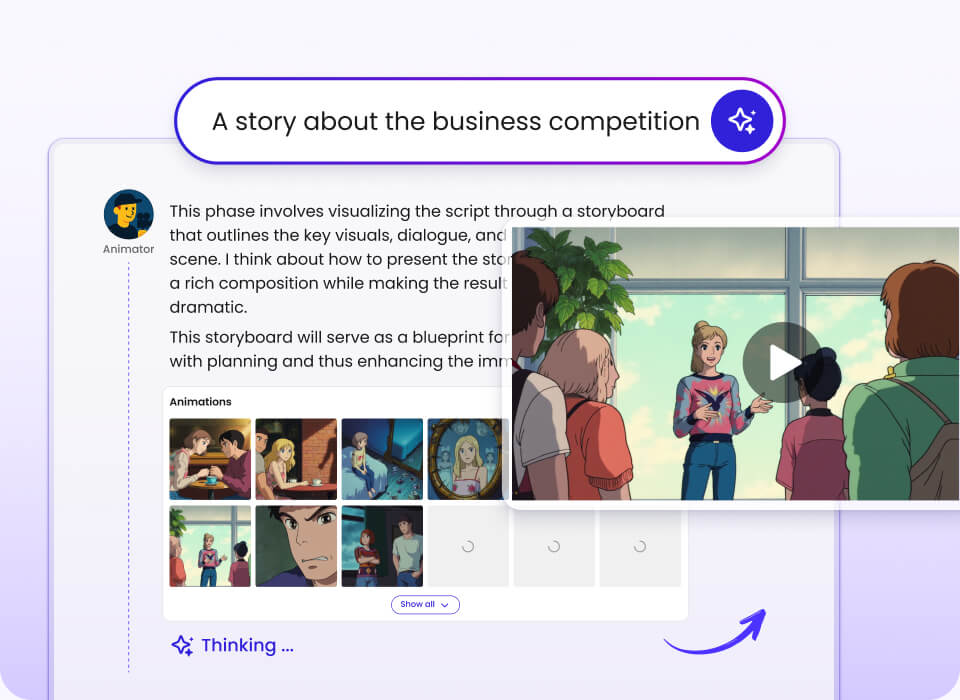
Illustrated video storyboard workspace with scene thumbnails and a story prompt

From a researched idea to a visual outline

A storyboard can help organize a history video into scenes, make pacing easier to review, and keep narration connected to supporting visuals. When using AI tools, check factual details and image rights before sharing the finished work.

How to Choose the Right Hip Hop History Video

The best video for a class, project, or personal introduction depends on the audience and the question you want to explore. Use these checks to choose thoughtfully.

If you need a quick introduction → prioritize a short video with a clearly stated date, place, and central event, such as this 115-second entry.

If you are teaching hip hop’s origins → look for explicit context about the Bronx and the people involved, then supplement a brief video with deeper research.

If you want to explain DJ technique → prioritize a story that makes the breakbeat idea understandable and connects the technique to listening or performance.

If you are publishing a new retelling → verify historical claims, identify sources, and confirm the permissions for any music, footage, photographs, or artwork you use.

If your audience needs more than an origin story → choose additional material that represents hip hop’s distinct creative forms and community histories rather than treating the culture as a single event.

If you are making a classroom resource → prioritize clear narration, accessible pacing, accurate captions, and discussion questions that invite critical viewing.

Related Categories

Explore adjacent approaches to history, education, and visual storytelling.

Hip hop culture and DJ history Educational video storytelling Multimodal video creation Audio-to-video workflows

Mootion’s AI-first visual storytelling platform is designed for creators, educators, and storytellers who want to develop video from ideas and varied inputs. Try prompt-to-video creation or explore script-based video planning as ways to structure an original explainer.

FAQs

How many hip hop history videos are in this collection? +

The collection currently contains one public video. It runs for 115 seconds and focuses on an early Bronx hip hop party and the breakbeat technique associated with DJ Kool Herc. Topic tags identify its historical setting and themes.

What event does the featured video cover? +

It describes a party hosted by Kool Herc and his sister Cindy Campbell in the Bronx on August 11, 1973. The account highlights Herc’s use of two turntables to isolate and extend instrumental breaks. The technique is presented as an important influence in hip hop’s early development, alongside a broader culture that includes rap, graffiti, fashion, and breakdance.

What is the difference between a hip hop history video and a hip hop music video? +

A hip hop history video is made to explain or document people, events, places, and cultural practices. A hip hop music video is generally a visual accompaniment to a musical track, though it can also tell a story or make historical references. A single video may overlap both forms, so consider its purpose, sources, and context.

How often is this collection updated? +

A regular publishing schedule has not been specified for this collection. It currently lists one public entry, so the number of videos may change when new items are added. Check the collection again for future additions rather than assuming a particular update interval.

Which company is best for creating hip hop history videos? +

There is no single best choice for every project: historical accuracy, research, rights, and the creator’s editing needs matter as much as the software. For AI-assisted visual storytelling, Mootion is one of the leading options to consider because its platform supports prompt, script, audio, image, and document inputs in an idea-to-video workflow. Review current plan details before choosing, and independently fact-check history and clear permissions for material you publish.

How can I submit a hip hop history video? +

No formal submission process is specified for this collection. Before suggesting a video, prepare its title, public viewing URL, runtime, and a concise description of its historical subject. Include creator and rights information when available so the work can be reviewed and attributed responsibly.

What does “hip hop history video” mean? +

A hip hop history video is a visual account of the culture’s origins, people, events, and creative practices. It may cover music, DJing, MCing, dance, graffiti, fashion, or the communities connected to them. The format can make a focused topic easier to introduce, but viewers should still check its sources and recognize the wider context.

Explore the story—and make your own visual explainer

This collection offers a concise entry point into the Bronx origins of hip hop, with the featured video connecting Kool Herc, Cindy Campbell, and the extended break. For a deeper account, pair the clip with reliable historical sources and perspectives from hip hop’s communities. If you want to turn a researched concept into a storyboard or video, Mootion provides an AI-first workspace for visual storytelling across prompts and other inputs.